Is your drone shot worth a seized drone?
Is drone filming in Kenya on your shot list but missing from your permit plan? That is a common gap. Many crews pack the drone, assume it will be fine and only ask questions at the airport.
Kenya does allow drones. But aerial filming sits under aviation and security rules, not just film rules. A crew that skips them risks delays, confiscated kit and an awkward call to the client.
The good news is that the official route is published. Once you know the steps, drone filming in Kenya becomes a normal part of production planning.
This guide explains who approves drone use, what we confirmed from official sources, how to plan aerial locations and how OnGround Africa supports crews on the ground.
Whether you are shooting a wildlife series, a lodge promo or a music video, drone filming in Kenya follows the same basic path. The details change with the location.
We are a ground support team, not a drone operator or an aviation authority. Where you need a certified operator, we bring one in. Where the rules need an official answer, we point you to the authority.
Who approves drone filming in Kenya?
Two sets of approvals come up again and again for drone filming in Kenya. Both are listed by the Kenya Film Commission on its filming requirements page.
- Ministry of Defence approval to operate the drone.
- Kenya Civil Aviation Authority approval to fly.
The Film Commission page also says applicants can email rpas@kcaa.or.ke to request the application form for drone importation and registration.
What the KCAA site shows
The Kenya Civil Aviation Authority website has a full section on unmanned aircraft systems. Its home page says the full implementation of the UAS regulatory framework now allows drone operation in Kenyan airspace.
The KCAA unmanned aircraft systems page lists the Civil Aviation (Unmanned Aircraft Systems) Regulations, 2020, a manual of implementing standards and a document on regulatory fees and charges. The site also has pages on the Remote Air Operator Certificate, approved UAS training organisations and UAS resellers.
KCAA runs an online drone system as well, listed on its site as ROMS. Applications and records for drone filming in Kenya increasingly move through that system.
Why both bodies matter
Aviation rules protect other aircraft and people on the ground. Defence approval deals with security, since aerial images can show sensitive sites. Both need to be satisfied before a drone leaves the ground for a commercial shoot.
Do you also need a filming licence?
Yes. Approvals for drone filming in Kenya sit on top of the normal filming licence. A commercial shoot in Kenya needs a licence from the Kenya Film Classification Board.
The Film Commission explains that KFCB handles film licensing. Its service charter lists licence fees by production type plus a daily filming fee. Our guide to the filming permit in Kenya sets out those figures with links.
Then come location permissions. National parks need a Kenya Wildlife Service permit and fees, according to the Film Commission.
Private land needs the owner’s consent. Each layer is separate.
A simple way to picture it
| Layer | Who it involves |
|---|---|
| Filming licence | Kenya Film Classification Board |
| Crew immigration | Directorate of Immigration Services |
| Drone operation | Ministry of Defence |
| Flying approval and drone records | Kenya Civil Aviation Authority |
| Parks and reserves | Kenya Wildlife Service or the reserve managers |
| Private or community land | Owners, community leaders or county offices |
Drone filming in Kenya touches all six layers on many shoots. Missing one can ground the drone even if the others are in place.
Can you bring your own drone into Kenya?
Many crews want to fly the drone they know when they plan drone filming in Kenya. That is possible in principle, but it adds steps.
The Film Commission points applicants to KCAA for the drone importation and registration form. Your drone will need to be cleared and accounted for like any other kit, alongside the approvals to fly.
For camera kit in general, the Film Commission says equipment arriving with the crew needs a refundable security bond of KSh 30,000. Equipment shipped separately goes through a temporary import process. Ask your clearing agent how your drone fits into that.
Hiring a certified local operator instead
Many productions choose to hire a Kenyan operator who already holds the right certificates. KCAA lists a Remote Air Operator Certificate on its site, which is the kind of credential to ask for.
A local operator may know the approval process well, own suitable drones and understand local airspace. For short shoots, this route is often simpler than importing your own drone for drone filming in Kenya.
We help you find and brief an operator. Always ask to see their current certificates before you book.
Questions to ask a drone operator
- Which KCAA certificates do you hold? Are they current?
- Who handles the defence and aviation approvals for this shoot?
- Which drones will you bring, with spare batteries and backups?
- Do you hold insurance that covers commercial filming?
- Have you flown at these locations or similar ones before?
- What is your plan if wind or rain stops flying?
Clear answers to these questions are a good sign. Vague answers are a reason to keep looking before you trust anyone with drone filming in Kenya.
How do we support drone filming in Kenya?
OnGround Africa handles the ground side of your aerial work. We are not a drone operator and do not fly for clients. Here is what we do.
- Plan. We list the approvals your shoot is likely to need and the order to tackle them.
- Connect. We introduce you to certified local drone operators and help you compare them.
- Follow up. We chase paperwork in Nairobi so applications do not sit unnoticed.
- Scout. We visit aerial locations, note obstacles and check who must give consent.
- Coordinate. On shoot day, we work as your fixer with landowners, residents and officials.
- Record. We keep copies of every approval ready on set.
Our film fixer in Kenya service covers the wider on set support. Drone filming in Kenya is one part of that work.
On shoot day
We arrive early, meet the landowner or manager and confirm the take off spot. We keep curious onlookers at a safe distance and explain what is happening. When the drone lands, we make sure the crew leaves the site as agreed.
Where does drone filming in Kenya look amazing?
Kenya was made for aerial shots. Drone filming in Kenya can show its scale like nothing else.
These are places crews often ask about. Each needs its own permission check.
Wildlife country
The Maasai Mara, Amboseli, Tsavo, Samburu and Laikipia offer herds, rivers and huge plains. Parks and reserves set their own rules on drones and filming. Always confirm with the park authority or reserve managers before planning drone filming in Kenya over wildlife.
The Rift Valley
Escarpment views, Lake Naivasha, Lake Nakuru, Hell’s Gate and Lake Bogoria give dramatic shapes from above. Cliffs and thermals can affect small drones, so an experienced pilot matters.
Highlands and tea estates
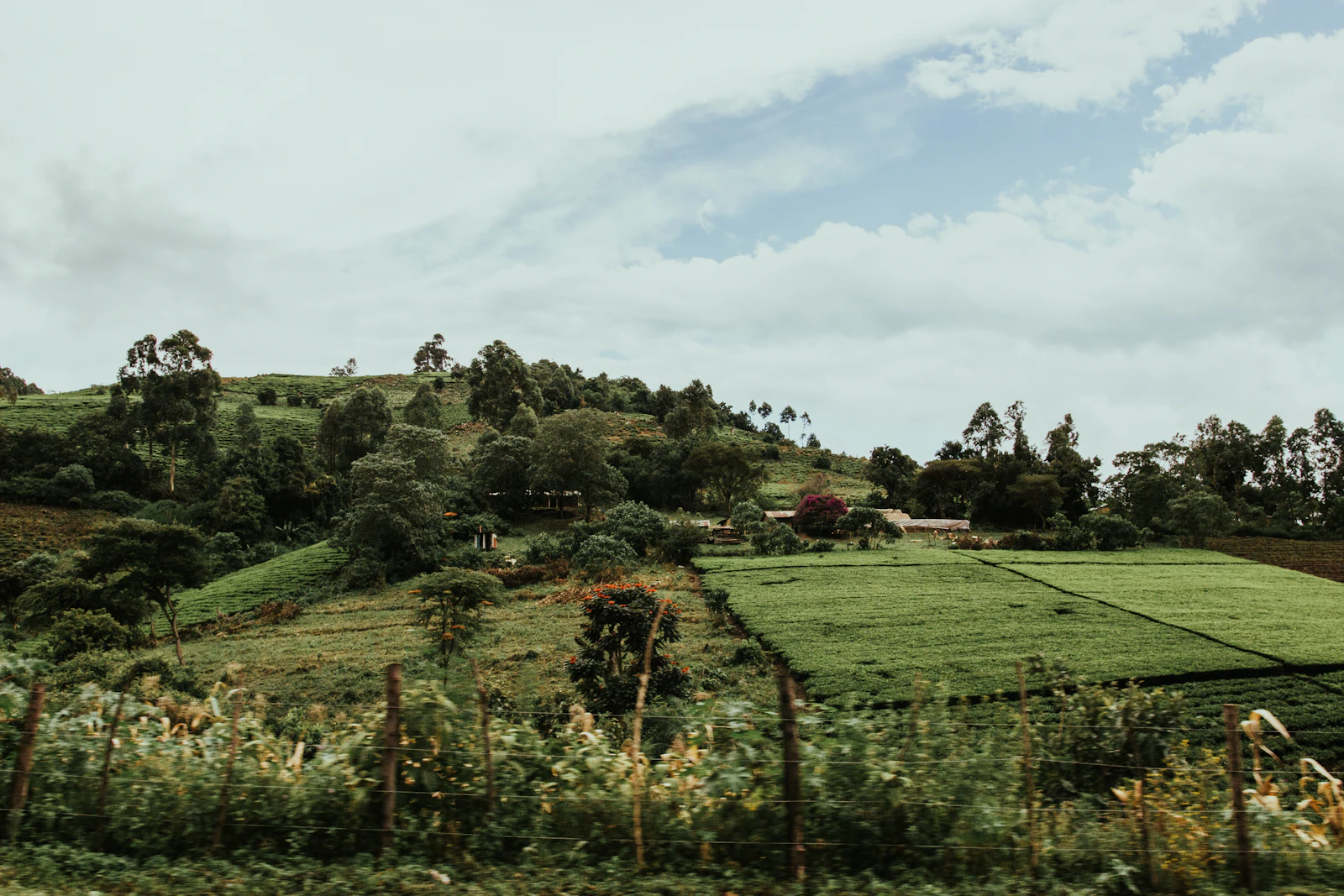
Rows of tea in Kericho and Limuru, coffee farms near Mount Kenya and patchwork farms in Nyeri look stunning from the air. Estates are private land, so the owner’s permission is essential.
The coast
Diani, Watamu, Kilifi creeks, Lamu and Mombasa Old Town offer turquoise water and Swahili rooftops. Some coastal areas sit near airports and other sensitive sites.
Nairobi
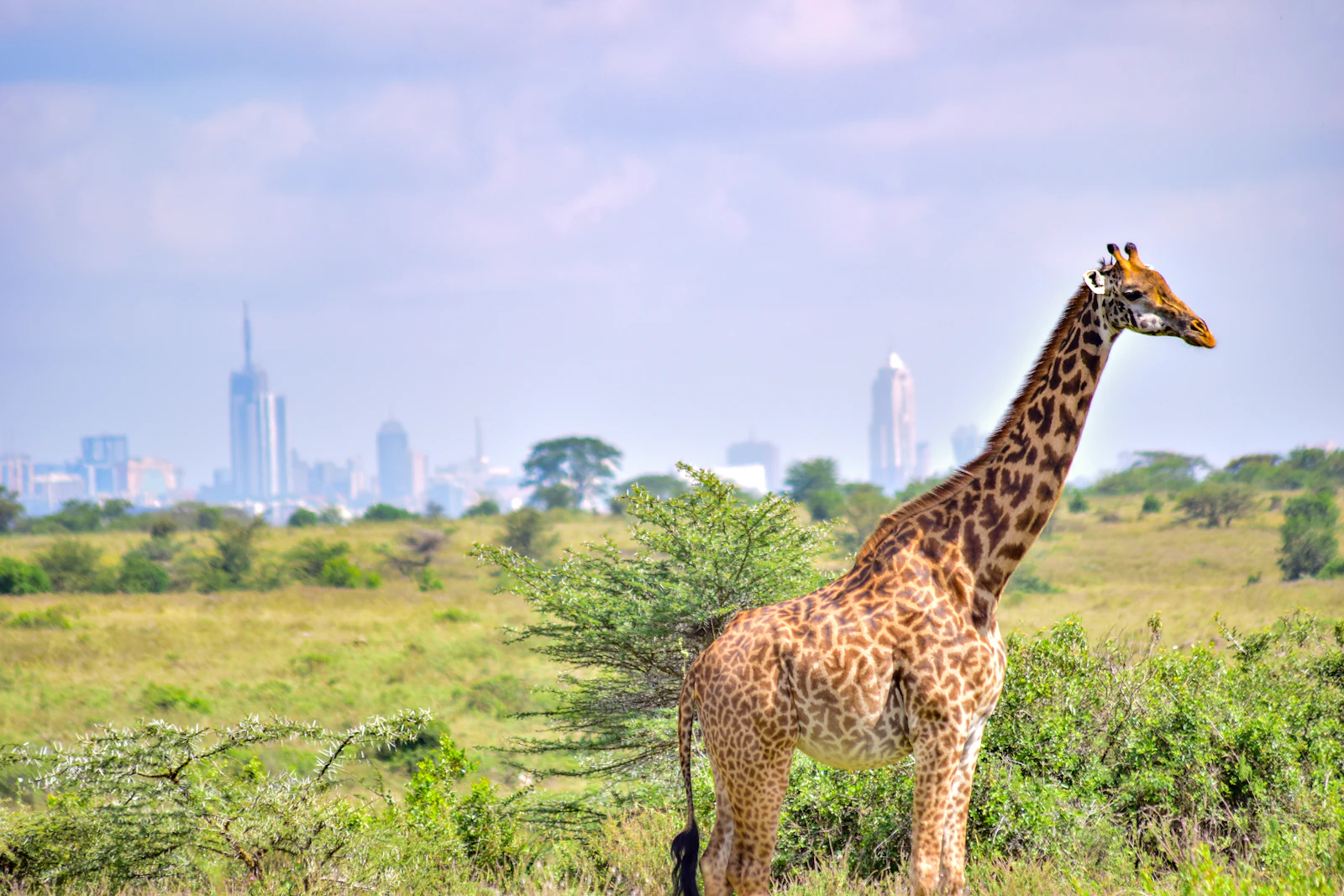
The skyline, Nairobi National Park with the city behind it and busy roads at dusk make strong urban shots. The city has an international airport, a busy domestic airport and government sites, so urban drone filming in Kenya needs extra care.
Our location scouting in Kenya service checks each aerial site in person before you commit.
Which productions use drone filming in Kenya?
Aerial footage is no longer just for big budget films. Drone filming in Kenya now shows up in many kinds of work. Each has its own planning needs.
Wildlife and nature documentaries
Wildlife crews want herds crossing rivers and flamingos over lakes. Animals can be disturbed by drones, so parks and reserves take this seriously. Drone filming in Kenya for wildlife needs early talks with the park authority, an experienced pilot and a plan that keeps distance from animals.
Tourism and hospitality
Lodges, camps, beach hotels and tour firms want aerial shots of rooms, pools and views. The site is usually private, which makes landowner consent easy. Aviation and defence approvals still apply, especially near airstrips that serve many safari camps.
Advertising and brand content
Brands use aerial shots of roads, cities and farms to show scale. Ad shoots often run on tight schedules. Drone filming in Kenya for an advert should be planned as early as the casting, not added in the final week.
Music videos
Artists love rooftop and skyline shots in Nairobi and beach scenes at the coast. Urban flights sit closer to airports and crowds, so careful site choice matters. A good fixer helps manage the crowd that gathers when a drone goes up.
Property and construction
Developers and diaspora owners use aerial footage to show land, building progress and surroundings. The same approvals apply to commercial property shoots. If you want regular progress updates on a build rather than a film, our construction monitoring in Kenya plan covers site visits with photos and reports.
Corporate and charity films
Charities and companies film projects such as water points, schools and farms. Aerial shots show reach and impact. Drone filming in Kenya for these films often happens in rural areas, where community consent and clear explanations matter most.
Which places are sensitive for drones?
Some places are sensitive for any aerial filming. Drone filming in Kenya is no exception.
We do not publish a list of no fly zones, since only the authorities can confirm those. We do flag places where you should expect extra questions.
- Areas near airports and airstrips, including JKIA and Wilson Airport in Nairobi.
- Military bases and defence sites.
- State House, government offices and other official buildings.
- Prisons, police stations and border points.
- Power stations, dams and other key infrastructure.
- Large crowds, public events and busy roads.
If a location falls into one of these groups, raise it early with your operator and the authorities. Drone filming in Kenya near sensitive sites may be refused or limited, even with other approvals in place.
What happens if you fly without approval?
We do not advise it and we will not support it. Flying without approval can lead to the drone being taken, footage being lost and the whole production facing questions. It also makes life harder for the next crew that wants to film legally.
Legal drone filming in Kenya protects your kit, your crew and your client. It is worth the extra weeks of planning.
Privacy and people
Aerial cameras can see into homes and private compounds. Respect privacy, avoid filming people without consent and tell communities what you are doing. A short explanation often turns curiosity into goodwill.
How should you plan drone filming in Kenya?
Here is a planning order for drone filming in Kenya that works for most productions.
- List your aerial shots. Be specific about places, times of day and movements.
- Choose operator or own drone. Decide early, since it changes the approval path.
- Start approvals early. Request forms and begin defence and aviation applications well before your dates.
- Secure the filming licence. Apply to KFCB for your production type.
- Scout aerial sites. Check obstacles, take off spots, crowds and owners.
- Get landowner consent. Put it in writing for private land, estates and lodges.
- Plan for weather. Wind, rain and haze change daily. Add spare time for aerial days.
- Brief the crew. Everyone should know where the drone flies and when.
Weather and light for aerial work
Early mornings are often calm and clear in many parts of Kenya. Afternoon winds and showers can ground small drones. Plan key aerial shots for the morning and keep a backup slot later in the week.
Approvals for drone filming in Kenya are often the slowest part of the paperwork. Starting early is the single most useful thing you can do.
What does our drone filming support cost?
Our support for drone filming in Kenya is billed by the day. Our fees cover our ground work, not the drone operator or government charges. You get a written quote first and pay only after you approve it.
| Service | Our fee (USD) |
|---|---|
| Film fixer day rate, including approvals follow up | $250 per day |
| Location scouting day, including aerial site checks | $300 |
| Airport pickup or drop at JKIA | $60 |
| Outside Nairobi travel | Quoted upfront |
| Urgent same week service | Adds 25 percent |
For drone filming in Kenya, operator fees are set by the operator and shown separately in your budget. Official fees are set by the authorities. KCAA publishes a document on its regulatory fees and charges on its unmanned aircraft systems page.
All our fees are on our pricing page. We confirm payment options with your quote.
Why work with OnGround Africa?
OnGround Africa is run by Patrick Maina, founder of Growth Catalyst. Over eight years he has delivered more than 870 projects for clients in over 56 countries, with 452 five star reviews.
He produced film scenes in Kibera for an international artist and knows how much planning goes into a smooth shoot. A Fiverr client from Ethiopia wrote: “Patrick does amazing groundwork for those who are remote from Kenya.”
- Written quote first. Our days and fees agreed upfront.
- Pay after you approve. Nothing charged before you say yes.
- Photo and video proof. Scouting images of every aerial site.
- Updates in your time zone. WhatsApp notes as approvals move.
- Honest about rules. We never suggest flying without approval.
We are not lawyers, aviation officials or drone operators. When your shoot needs licensed help, we bring in a licensed Kenyan advocate or a certified operator.
Plan your drone filming in Kenya today
Unsure whether your idea is realistic? Share it anyway. We will tell you honestly whether drone filming in Kenya at that spot is likely to be approved and what alternatives exist.
Send us your aerial shot list, locations and dates. We reply with a likely approval path, operator options and a written quote for our support.
- WhatsApp: +254 724 991 531
- Email: patrick@growthcatalyst.co.ke
Tell us early if your shot list may change. Adding a new aerial site late can mean fresh approvals and another scouting trip. A stable plan keeps drone filming in Kenya on schedule and saves money for the shots that matter most.
A great aerial shot starts on paper weeks before take off. Start your drone filming in Kenya plan now and give the approvals time to land.
Questions people ask
Is drone filming in Kenya legal?
Yes, with the right approvals. KCAA says its unmanned aircraft framework now allows drone operation in Kenyan airspace. The Film Commission lists Ministry of Defence and KCAA approval for aerial filming.
Where do I get the KCAA drone application form?
The Kenya Film Commission says you can email rpas@kcaa.or.ke to request the form for drone importation and registration. KCAA also runs an online drone system linked from its website.
Can I fly a drone in national parks?
Only with the right permissions. Parks need a Kenya Wildlife Service filming permit and fees. Drone use needs aviation and defence approval on top. Confirm with the park authority before planning any flight.
Do you fly the drone for us?
No. We are a ground support team for drone filming in Kenya, not the pilot. We connect you with certified local operators and handle scouting, follow up and on set coordination.
How early should I start drone approvals?
As early as possible. Approvals for drone filming in Kenya often take longer than the filming licence itself. Starting weeks ahead gives you room to fix any questions.
What does KCAA charge for drone approvals?
KCAA publishes a regulatory fees and charges document on its unmanned aircraft systems page. Check the current version there, since we only quote fees we have confirmed from official pages.