Can a photo on Google really tell you if a place works?
Would you trust location scouting in Kenya done from a few Google photos, then arrive to find a building site next door? Nobody should.
Real scouting exists so that never happens to your crew. A real scout stands where the camera will stand.
Online photos are taken at the perfect angle on the perfect day. They do not show the generator next door, the market noise at noon or the road that floods after rain.
They also do not tell you who owns the place, who must agree to filming or what it costs to shut a street for an hour. Those are the details that make or break a shoot day.
OnGround Africa offers location scouting in Kenya for film, TV, advertising and music video crews abroad. We visit, photograph, film, measure and ask. Then we send you a clear pack you can share with your director.
Our founder produced film scenes in Kibera for an international artist. That shoot taught us how much good location scouting in Kenya matters. The right place, with the right permission, makes the whole day calmer.
What does location scouting in Kenya include?
Location scouting in Kenya, the way we do it, has four parts. Each one answers a different question from your production team.
Finding options
We read your script or brief and list places that could fit. We draw on local knowledge, contacts and fresh searches. Then we visit the strongest options.
Recording the place
At each site we take wide and close photos, short video walk throughs and phone panoramas. We note the direction of the sun, the main sounds and the space for kit and vehicles.
Checking practical details
We look at access, parking, power, toilets, shade and phone signal. We ask about busy times, events and anything that could disrupt filming.
Finding out who says yes
We identify the owner or authority for each place and ask what permission involves. Where we can, we get a rough idea of location fees and conditions.
Good location scouting in Kenya does all four. Skip one and you may fall in love with a place you cannot use.
All of this goes into a scout pack, one page per location. Your director can choose from a laptop in London or Los Angeles.
Where can we do location scouting in Kenya?
Kenya packs a huge range of settings into one country. That variety is why so many crews choose it. Here are the kinds of places we scout most.
Location scouting in Kenya often lets one country play many parts. A crew can film a city chase, a desert road and a tropical beach in the same trip.
Nairobi city and streets
The CBD, River Road, Westlands towers, Kilimani apartments, Karen homes and green estates. Nairobi can stand in for many modern African cities. Street markets, matatu stages and rooftop views add energy.
Informal settlements
Kibera, Mathare and similar areas carry strong stories and strong communities. Location scouting in Kenya in these places needs care, respect and local guides. Permission from community leaders and residents is part of the job.
Savannah and wildlife country
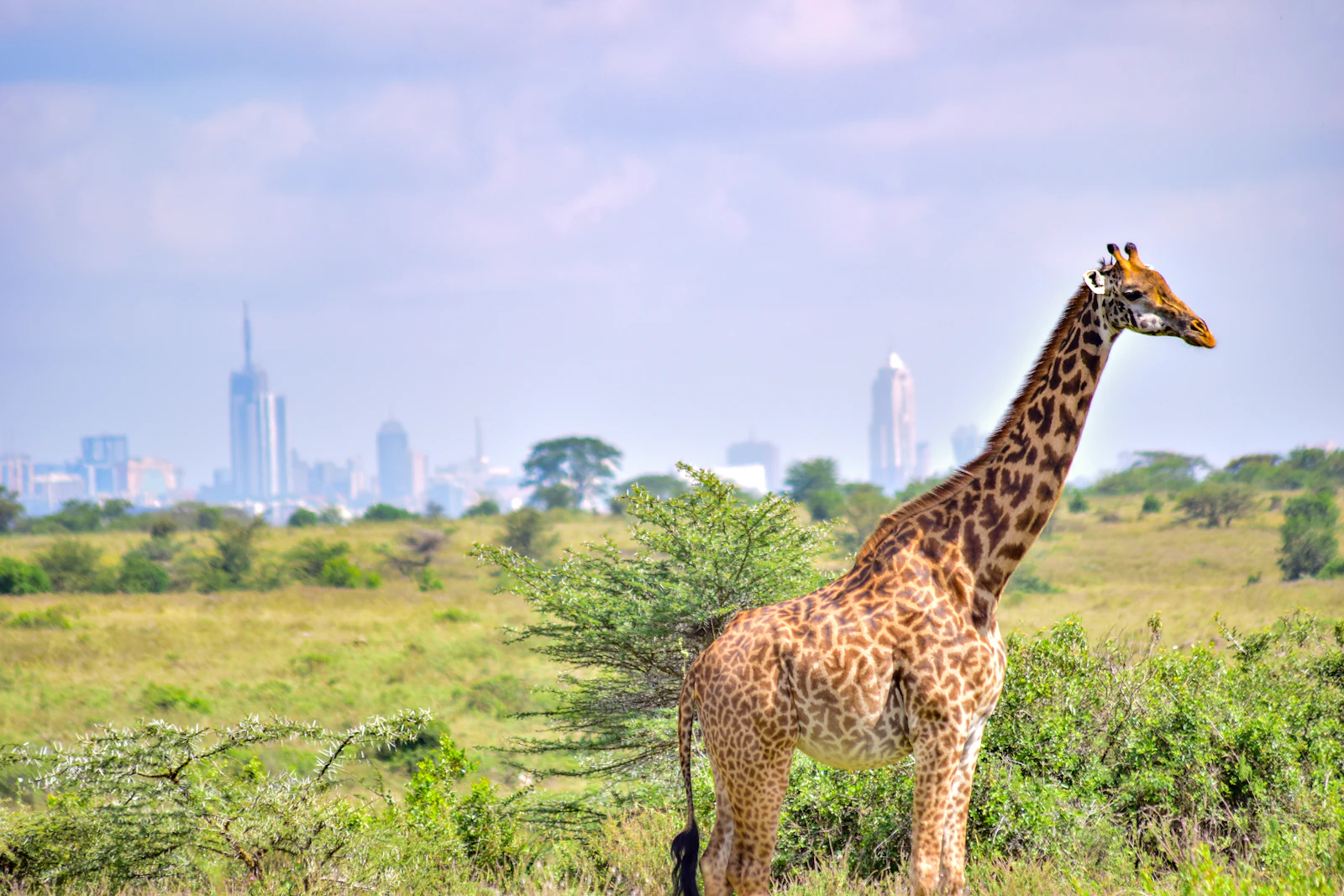
Nairobi National Park sits right next to the city. Further out are the Maasai Mara, Amboseli with views of Kilimanjaro, Tsavo and Laikipia. Parks need permits and fees from the Kenya Wildlife Service, according to the Kenya Film Commission.
Rift Valley and lakes
Lake Naivasha, Hell’s Gate, Lake Nakuru, Lake Bogoria and the escarpment views around Mai Mahiu. These give you cliffs, water, steam vents and wide valleys within a few hours of Nairobi.
Highlands and forests
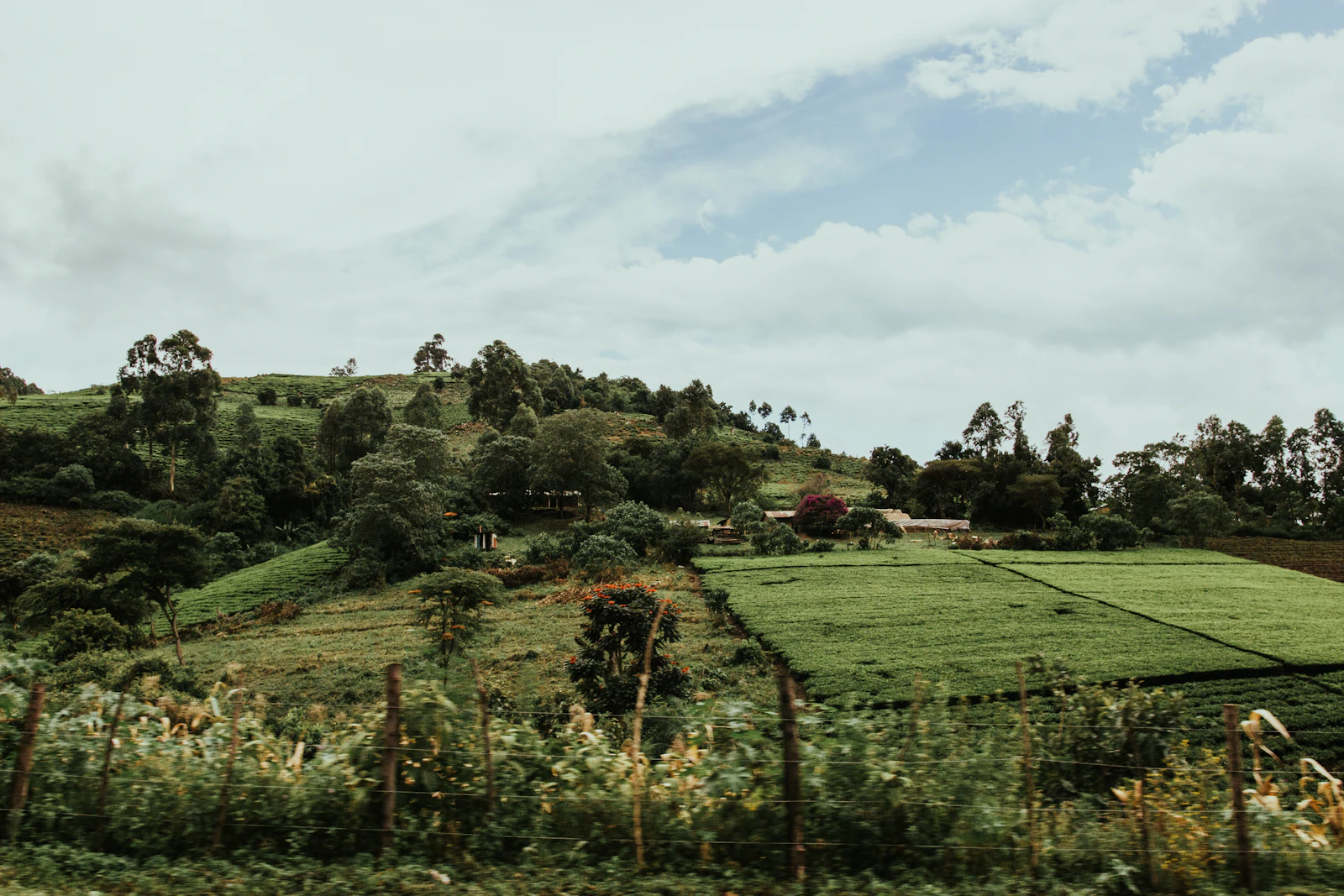
Tea estates in Limuru and Kericho, forests on the Aberdares and Mount Kenya plus farmland in Nyeri and Meru. Mist, green hills and rows of tea bushes are hard to beat on camera.
The coast
Mombasa Old Town, Diani beach, Watamu, Kilifi creeks and Lamu’s narrow streets. Swahili architecture, dhows and white sand offer a very different look from the highlands.
Small towns and rural trading centres
Not every story needs a famous view. Roadside trading centres, village markets, boda boda stages and church compounds give an honest picture of everyday Kenya. Location scouting in Kenya often finds the strongest scenes in places that never appear in travel guides.
These spots are usually easier to secure too. A chat with the local chief, the market committee or the church elders can open doors quickly when it is done respectfully.
Interiors
Homes, offices, clinics, classrooms, bars and hotel suites. We scout interiors for size, ceiling height, windows, power points and how much furniture can move. Owners usually need a clear plan of what the crew will do and for how long.
The north
Samburu, Marsabit and the Lake Turkana region bring desert, volcanic rock and vast open spaces. Distances are long and logistics need extra care.
How does location scouting in Kenya work with us?
We run each scout in clear steps so your team always knows what is coming.
- Send the brief. Share the script pages, mood board, shoot dates, crew size and any must have shots.
- Agree the scope. We suggest how many scouting days and which areas fit your story.
- Get a written quote. Our fee is in USD with travel outside Nairobi shown upfront. You pay only after you approve the quote.
- Desk shortlist. We draw up a first list and share it with you before we travel.
- Scouting days. We visit each site, record it and check access and permissions.
- Daily updates. Photos and notes arrive on WhatsApp each evening in your time zone.
- Scout pack. A tidy pack with photos, video links, maps and notes for each place.
- Follow up. We return to top picks if you need more angles or a check at a set time of day.
Location scouting in Kenya with us is flexible. You can also join a scout by video call. We walk the site with a phone while you watch and ask questions live.
What goes into a location scouting pack?
The scout pack is the main thing you get from location scouting in Kenya. Our pack is built for directors, producers and line producers. Each location gets the same layout so options are easy to compare.
| Item | What we record |
|---|---|
| Photos | Wide, medium and detail shots, plus panoramas where useful |
| Video | A short walk through so you feel the space |
| Map pin | Exact location and travel time from your base |
| Light | Direction of the sun and notes on morning and evening light |
| Sound | Traffic, markets, churches, mosques, schools and generators nearby |
| Access | Road condition, parking, space for vehicles and kit |
| Facilities | Power, toilets, shade, holding areas and phone signal |
| Permission | Who owns the place, who must agree and any fees we learned of |
| Risks | Weather, crowds, safety and anything else to plan for |
We keep the facts and our opinion apart. You see what is there. Then you read what we think.
Do you need a permit to scout or film a location?
Scouting itself is usually just a visit, like any other. Filming is different.
A commercial shoot in Kenya needs a filming licence. Many places need their own permission on top.
The filming licence
The Kenya Film Commission explains that film licensing is handled by the Kenya Film Classification Board. The KFCB service charter lists licence fees by production type, for example KSh 5,000 per documentary or music video and KSh 15,000 per feature film, plus KSh 1,000 per filming day.
Our guide to the filming permit in Kenya covers the full process and fees.
Location permissions
- National parks need a Kenya Wildlife Service permit and fees, according to the Film Commission.
- National Museums sites have their own filming application and support.
- Streets and public spaces may need county or local authority approval.
- Private property needs written permission from the owner.
- Community areas need respectful engagement with local leaders and residents.
During location scouting in Kenya we find out which of these apply to each site. That way your permit plan is ready when you pick your locations.
What does location scouting in Kenya cost?
Our fees are clear and set before we travel. You get a written quote and pay only after you approve it.
| Service | Our fee (USD) |
|---|---|
| Location scouting day | $300 |
| Film fixer day rate | $250 per day |
| Airport pickup or drop at JKIA | $60 |
| Outside Nairobi travel | Quoted upfront |
| Urgent same week service | Adds 25 percent |
A day of location scouting in Kenya covers our time on the road, photos, video and notes. Travel outside Nairobi, such as fuel and nights away, is quoted upfront. Park entry and location fees are paid to the owner or authority and shown separately.
A city scout may need one or two days. A scout covering Nairobi, the Rift Valley and the coast may need a week.
All our fees are on the pricing page. We confirm payment options with your quote.
How many scouting days do you need?
The length of location scouting in Kenya depends on your script, your locations and how far apart they are. These rough guides help you plan.
- One or two days. A music video or advert with three to five Nairobi locations.
- Three to four days. A short film or documentary with city and nearby rural sites.
- A week or more. A feature or series covering several regions, such as the Mara, the Rift Valley and the coast.
Nairobi traffic is a real factor. A site that looks close on a map can take an hour to reach at rush hour. We plan routes to visit as many places as possible in daylight.
Location scouting in Kenya on a tight schedule
Some productions have only days before a shoot. We can still help. We start with places we already know, send same day photos and focus on the two or three must have scenes first.
Urgent same week work adds 25 percent to our fee. Permissions can still take time, so we always tell you honestly what is realistic.
Recce visits with your team
Once you choose your top locations, many productions send a director or producer for a technical recce. We can plan that trip, book transport and walk your team through each site.
Our JKIA airport pickup gets them from the plane to the first location without fuss.
What makes a Kenyan location work on the day?
A place can look perfect and still fail on shoot day. Good location scouting in Kenya checks these practical points.
Light
Kenya sits on the equator. The sun rises and sets fast and at similar times all year. Golden hour is short, so we note which way each site faces.
Weather
Rainy seasons bring heavy downpours, often in the afternoon. Dirt roads can turn to mud. We note where a vehicle might get stuck and where you can shelter kit.
Crowds
Cameras draw a crowd quickly in busy places. We note market days, school times and church services nearby. We also think about how to manage onlookers kindly.
Sound
Matatus, hawkers, prayer calls, construction and generators all carry. We record a short sound note at each site so your sound team can plan.
Safety
Safety is a core part of location scouting in Kenya. We look at how safe each place is for crew and kit at different times. We suggest where a local guide or extra support would help.
Can location scouting in Kenya cover aerial shots?
Yes. Location scouting in Kenya can include aerial planning.
Many Kenyan locations look stunning from the air. Escarpments, tea estates, coastlines and herds on the plains all call for aerial shots.
During location scouting in Kenya we note which sites suit aerial work. We also flag places that are likely to be sensitive, such as areas near airports, military sites and some government buildings.
Drone filming needs separate approvals. The Film Commission lists approval from the Ministry of Defence and the Kenya Civil Aviation Authority. Our guide to drone filming in Kenya explains the steps.
How do you scout respectfully in Kenyan communities?
Some of the most powerful places to film are where people live and work. Location scouting in Kenya in these places is about relationships as much as pictures.
Ask before you shoot
We introduce ourselves to local leaders, landlords, market committees or the area chief before we take serious photos. We explain the project in plain words and answer questions honestly.
Be clear about what the shoot means
Residents want to know how long you will be there, how many people are coming and whether roads or shops will be blocked. We share that early and write it down.
Agree fair terms
Where a community, family or business is affected, fair payment or support may be part of the deal. We report what is asked and let your production decide. We never promise money on your behalf without your approval.
Keep promises
If we say the crew will leave by six, we make sure that happens. Location scouting in Kenya builds trust that your shoot day depends on. Breaking it hurts the next crew too.
These habits came from real work. When we produced scenes in Kibera, community trust was what kept the day safe and on schedule.
Why choose OnGround Africa for location scouting in Kenya?
OnGround Africa is run by Patrick Maina, founder of Growth Catalyst. Over eight years he has delivered more than 870 projects for clients in over 56 countries, with 452 five star reviews.
He produced film scenes in Kibera for an international artist, from finding the spots to working with the community. A Fiverr client from Ethiopia wrote: “Patrick does amazing groundwork for those who are remote from Kenya.”
- Written quote first. Scouting days and travel agreed before we go.
- Pay after you approve. Nothing charged before you say yes.
- Photo and video proof. Every location recorded and shared.
- Updates in your time zone. Daily WhatsApp notes during the scout.
- Respect for communities. We ask first and keep promises to residents.
Location scouting in Kenya is often the first job we do for a production. Need help on shoot day too? Our film fixer in Kenya service keeps the same team with you from scout to wrap.
Book location scouting in Kenya
Send us your script pages or brief, your dates and the looks you want. We reply with ideas, questions or a written quote.
- WhatsApp: +254 724 991 531
- Email: patrick@growthcatalyst.co.ke
Tell us the feeling you want, not just the place. “Lonely road at dusk” or “crowded joyful street” gives us more to work with than a single famous name.
Share any places you already love too. We can check them first, then suggest backups nearby. Good location scouting in Kenya always leaves you with a second choice, because weather, events and owners can change plans at short notice.
The right location saves money on every other line of the budget. Start your location scouting in Kenya early and give your director real choices.
Questions people ask
How far in advance should I book location scouting in Kenya?
Book location scouting in Kenya as early as your script allows. Many crews start four to eight weeks before shooting, which leaves time for permissions. Shorter timelines are possible, with urgent same week work adding 25 percent.
Can you scout outside Nairobi?
Yes. We run location scouting in Kenya across the country, from the Rift Valley and highlands to the coast and the north. Travel outside Nairobi is quoted upfront.
Do you negotiate location fees?
During location scouting in Kenya we ask owners about their fees and conditions and report back to you. Your production decides what to accept and signs any location agreement.
Can my director join the scout remotely?
Yes. During location scouting in Kenya we can walk a site on a live video call so your director sees it in real time. We also send recorded walk throughs after each visit.
Is scouting in places like Kibera safe?
With local guides, community permission and good timing, location scouting in Kenya in places like Kibera can be done safely. Many crews work there respectfully. We assess each site and advise on support before anyone films.
Do I need a filming licence for a scout?
Location scouting in Kenya without filming for release is usually just a visit. Filming for your production needs the right licence and location permissions, which we help you plan.